
Music Sampling
Clearing samples with owners and crediting them.
Introduction
Sampling is a tool in music production that comes with benefits as well as challenges. It can help reinvigorate interest in past musical works, known as ‘catalogue’, and sometimes leads to the discovery in new, young markets of songs that enjoyed limited success in the past.
Did you know, however, that by not clearing a sample with its owner and crediting them, producers may deprive composers and music publishers of their legal rights, including the right to be credited and the right to receive royalties?
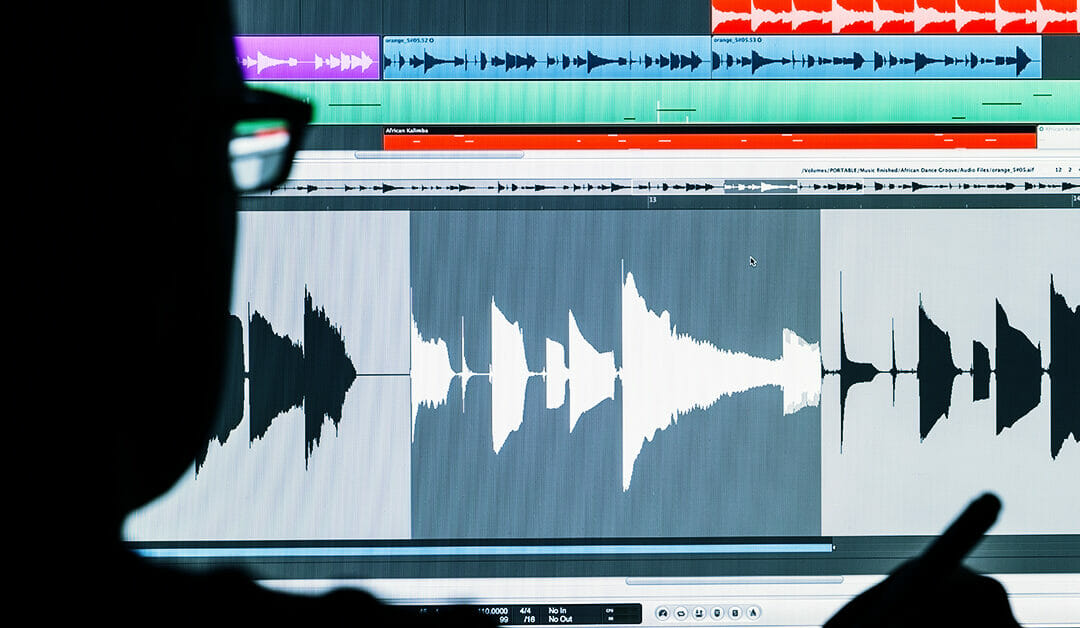
Sampling is a technique in the production of music where an already existing work, or portion thereof, is incorporated into a new work, which is called a ‘version’, or a ‘derivative work’. Usually, new original material is layered on top of, or into the sampled work, creating a new copyright work. This practice tends to be more common in certain genres, such as Dance music and Hip Hop.
Sometimes the original song is reperformed, or replayed, so no elements of the actual audio file from the original song are pasted into the new song. In other jurisdictions this is formally referred to as ‘interpolation’. This means that only the musical work / lyrics needs to be cleared and not the use of the original recording (the ‘master’). Remember that the new work still uses original composed copyright elements, such as melody or even a ‘beat’.
Changing elements of the original song, or changing the tempo or the pitch, doesn’t mean that no clearance is required.
How can I clear a sample?
The authors of the new song, or their representatives, need to locate the rights holders of the sampled song and enter into negotiations to use it. It’s not a given – the rights holders may deny the usage or approve on certain conditions that normally relate to shares and payment of a fee.
Remember that there are two separate sides to consider – the sound recording (‘master’) and the musical work (‘composition’). Each side has different rights holders. Music publishers look after the musical work and they are always required for clearance. Record labels look after sound recordings. For interpolations (reperformance of the musical work), only the music publisher is required for clearance.
It is the composers of the new work that should ultimately take responsibility for clearing samples. However, record labels and music publishers will often assist in clearing samples before a release. Most record label contracts include rules about sampling, and music publishing contracts usually require composers to warrant that what they’re submitting is original and not an infringement (eg an uncleared sample).
Locating the rights holders of a sampled song is unfortunately not always simple. This is where music publishers, record labels and the MPA SA can assist. Usually, for international songs, there is a local rights holder representative. Remember, the composers, producers and artists themselves are not necessarily the rights holders for copyright clearance.
The negotiation for clearance involves what percentage share the new composers want of the new song, as well as a possibility of paying a fee. The fee can be substantial, especially when foreign copyrights are sampled. On the master rights side, there is a negotiation around what percentage of royalties will go to the original rights holders of the master. Normally, you will need to attach an MP3 of the new song and provide some information about the artist using the sample, and sometimes some information and projections for the release.
The whole process can take weeks or even months, so plan in advance!
Remember, the rights holders of the original song may reject the request, and in some cases not respond.
The consequences of not doing it correctly
If an uncleared sample is released, this can be taken down and a higher fee imposed. In some cases, the repercussions can be more serious. The rights holders and artists associated with the sampled song may believe that the new song has had a negative commercial effect on them. Uncleared samples are also usually a no-go zone for synchronization requests and brands.
When P Diddy released “I’ll Be Missing You” with Faith Evans in 1997, he did so without the permission of the rights holders to Sting’s song “Every Breath You Take”, which was used as a sample. This led to a lawsuit that ultimately resulted in Diddy losing 100% of the royalties.
Remember, you put so much time, effort and love into your songs and the composers and artists involved in the sampled song do the same. So, respect the hard work of your fellow musicians, by giving them their dues in terms of clearance and royalties.
Let’s look at some common misconceptions about sampling:
- I only sampled the bassline, so no permission is required
- You shouldn’t presume that any portion of someone else’s song is not an original contribution to copyright. Originality in copyright is a complicated legal field, and when you use material from another song, it’s not up to you to decide about the originality of another person’s work.
- I only sampled a beat, which is not copyrightable
- Again, you should not make your own determination about what is original in someone else’s song. It might be harder to prove originality for a beat alone as opposed to lyrics and melody, for example, but that does not mean that it is not original and subject to copyright. Originality is not simply about uniqueness. It can also take into account factors such as time and expertise required to create something.
- I only sampled three seconds, so no permission is required
- Substantiality can be taken into account in sample negotiations, but a short clip duration doesn’t mean that no permission is required. In any case, duration is not an important measure of whether an extract from an original song is substantial.
- I changed the melody of the original song, so no permission is required
- Adapting, or changing original elements in the musical work is an extra consideration when rights holders consider approval, and in some cases might make approval more complex. Permission is still required.
- I paid for and sampled a beat from a sample library online, so I’m free to release it
- This depends on the sample library’s terms and conditions of use, which you agree to when you sign up or download from the site. Some libraries allow extensive use for a once-off fee, but you may have to credit the original writer. Others limit how you can use the sample – for personal use only for example, but require you to conclude an agreement with the original composer / producer before releasing. Bear in mind that there are special considerations around licensing your new song with brands, film, TV and SVODs when there is a lack of clarity around sampled material.
- I can release my new song with an uncleared sample and then ask for clearance
- You could be held liable for copyright infringement. It is advisable to clear samples before releasing them.
- I got permission from the artist directly to use the sample, so I can release
- The artist is in many cases not the owner of the master, and permission is required from the rights holder, for example the record company. Secondly, there are multiple rights holders in a song – not only because of the two sides that are master rights and ‘publishing’ rights, but also because every composer’s share must be accounted for before full permission can be given.